
The night the party was good
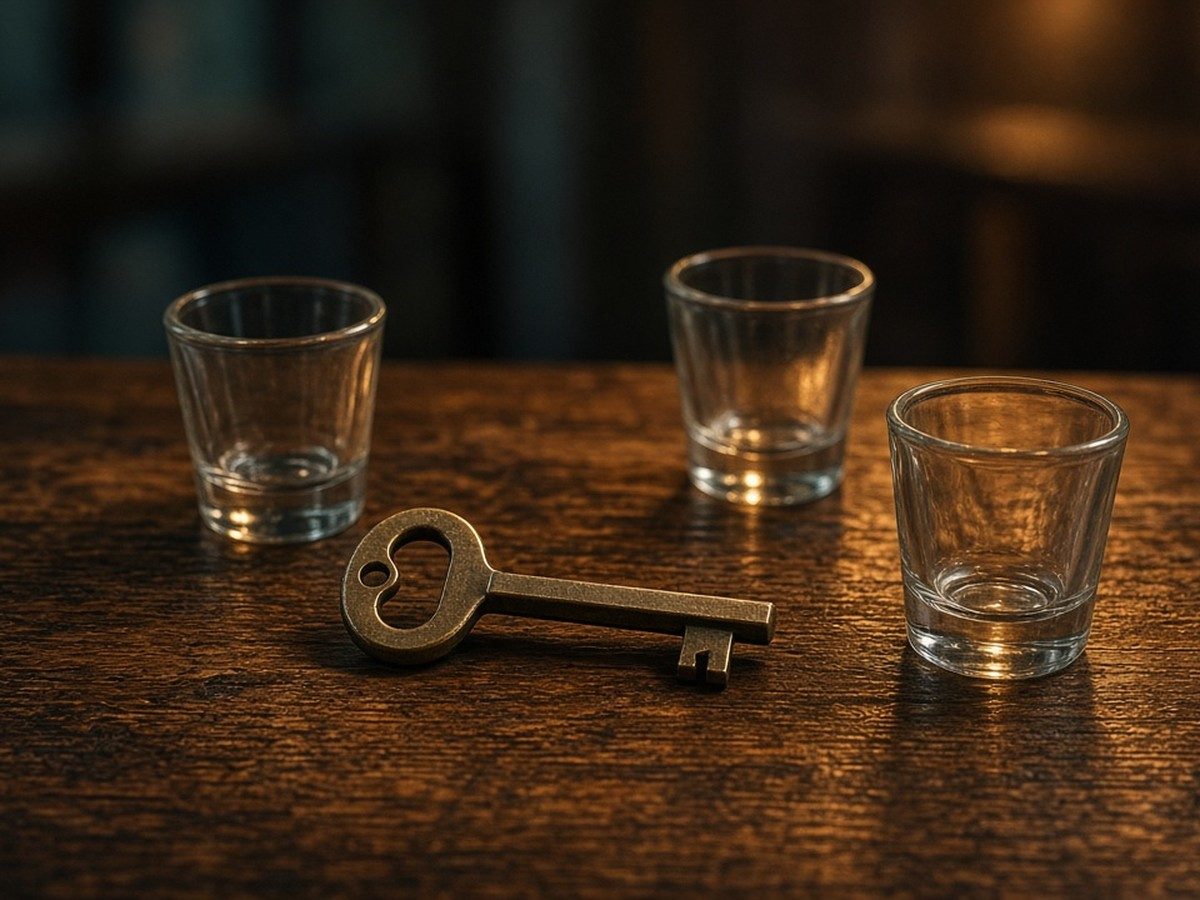
The party was fun. I remember that much, and I remember that I was drunk. What I did not hold in my head that night was that my partner at the time was at work, and that she had no house keys. I stayed where the fun was, and she could not get into her own home. She slept at friends’.
The next part is the one that matters most to me now. Afterwards, I made it her fault. I did not say sorry and leave it there. I turned the story around until the person who had been locked out was the one who had done something wrong.
The man everyone laughed with
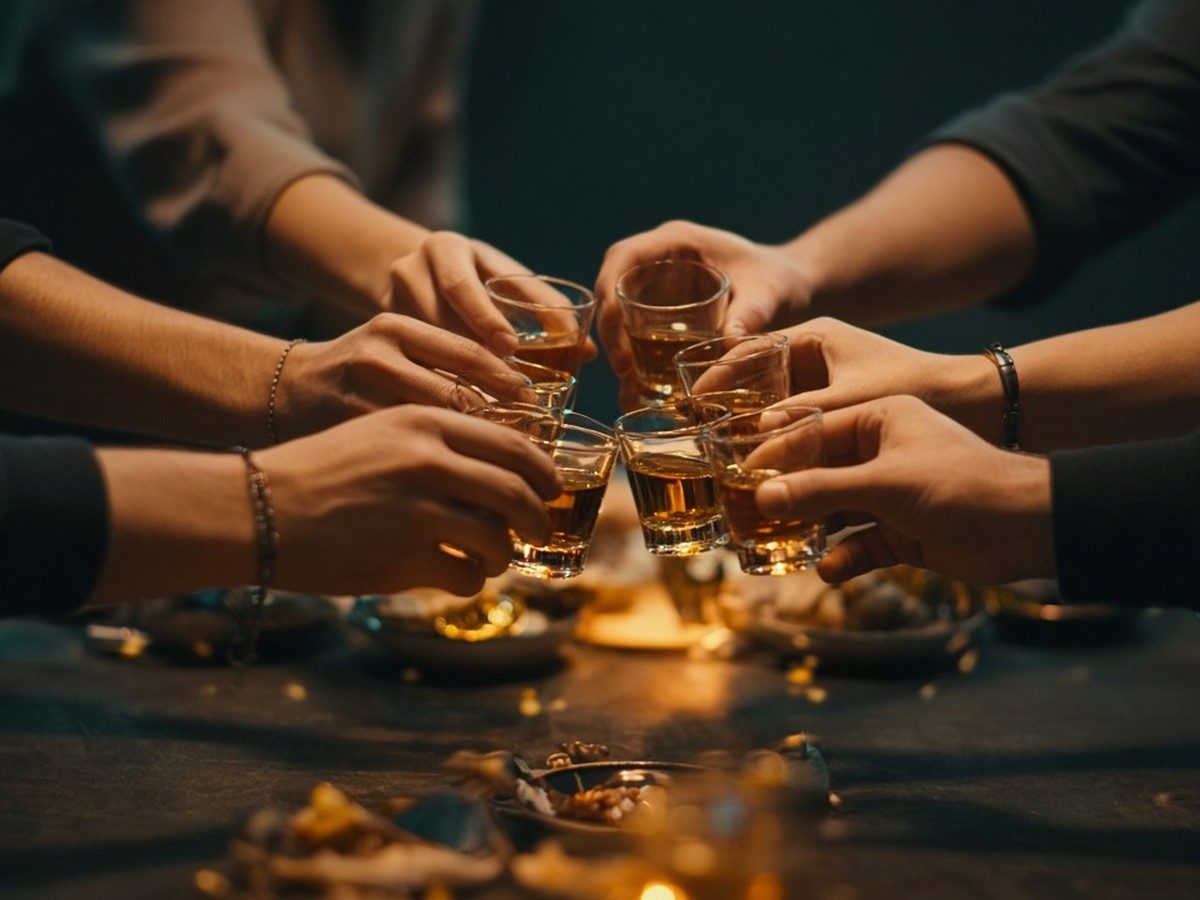
That night was not unusual for who I was then. A lot of funny things happened when I was drunk. I was good company, or I believed I was, and people gathered around that. I drank, and I also used amphetamine and cocaine, and I overate, and all of it covered something I did not want to feel: I was lonely. The noise and the laughter drew people in, and I called them friends. The word deserves its quotation marks now.
Carl Jung described the persona, in Two Essays on Analytical Psychology, as a kind of mask: a face we make for the world, a compromise between who we are and who others expect us to be. Mine was the funny one. The mask worked well enough that I started to believe it was my face.
What the mask was hiding
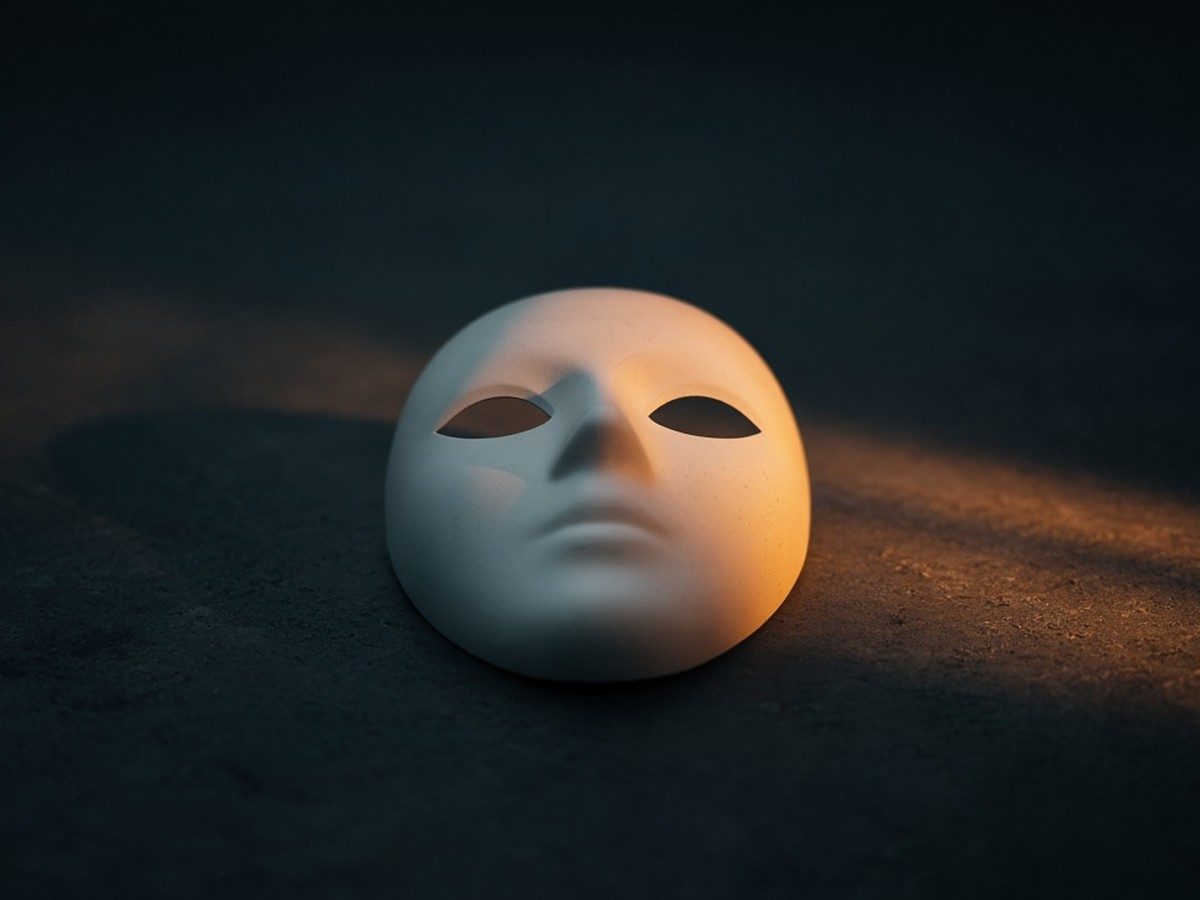
A mask has a back as well as a front. Jung called the part of us we refuse to see the shadow, and in Aion he writes, in my own paraphrase, that facing it takes real moral effort, because it means admitting that the darkness is ours and not someone else’s. Making the night of the keys her fault was my shadow at work. It was easier to push the blame outside than to look at a man who had left someone outside.
That was not one bad night. I lied to people and I manipulated them. The laughter and the lying came from the same place. Both kept anyone, me included, from seeing what was underneath.
Where it ended
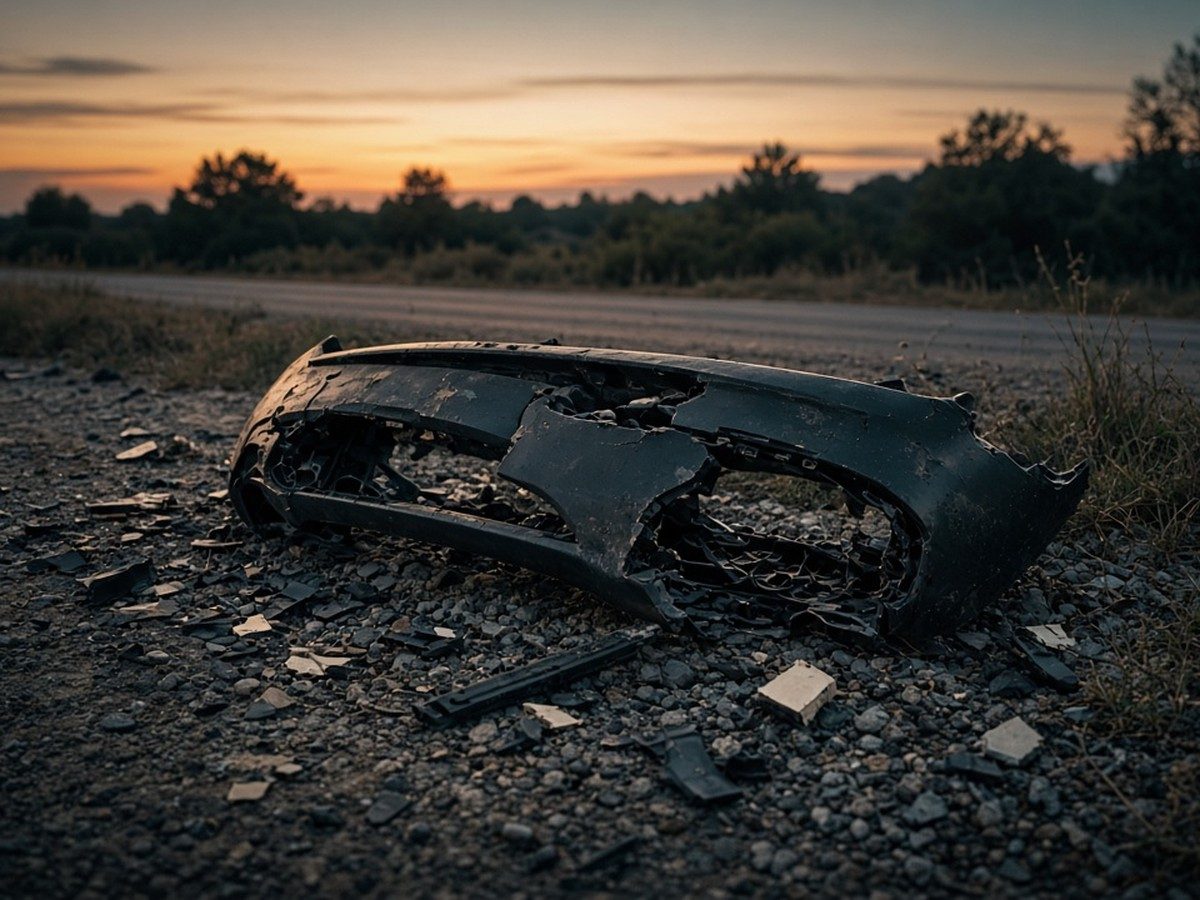
It ended badly. There were debts. There were car accidents, and one of them left metal in my knee after surgery. I have written about what my knee knows, and it still knows this.
Years later I read Jung’s letter to Bill W., written on 30 January 1961. He says the craving for alcohol was, on a low level, the equivalent of the spiritual thirst of our being for wholeness, and he offers a short formula: spiritus contra spiritum. In Latin, the same word means alcohol and spirit. I was thirsty, and I was drinking the wrong spirit.
Looking at intention

In practice I have stopped asking whether I am a good man or a bad man. I ask what the intention was. The Buddha put it simply: “Intention, I tell you, is kamma.” (AN 6.63, trans. Thanissaro Bhikkhu). That night my intention was to stay where the fun was. Afterwards, my intention was to protect myself, and the blame was how I did it.
The fifth precept reads, in one standard rendering: “I undertake the precept to refrain from intoxicating drinks and drugs which lead to carelessness.” Carelessness is the right word. I did not set out to lock anyone out. I set out to have a good night, and I lost the part of me that would have remembered her.
Right speech belongs to the same picture. The Buddha defines it as “abstaining from lying, abstaining from divisive speech, abstaining from abusive speech, abstaining from idle chatter.” (SN 45.8, trans. Thanissaro Bhikkhu). Every lie I told broke the first of these, and the story I told about the keys was one of them.
The joke without the drink
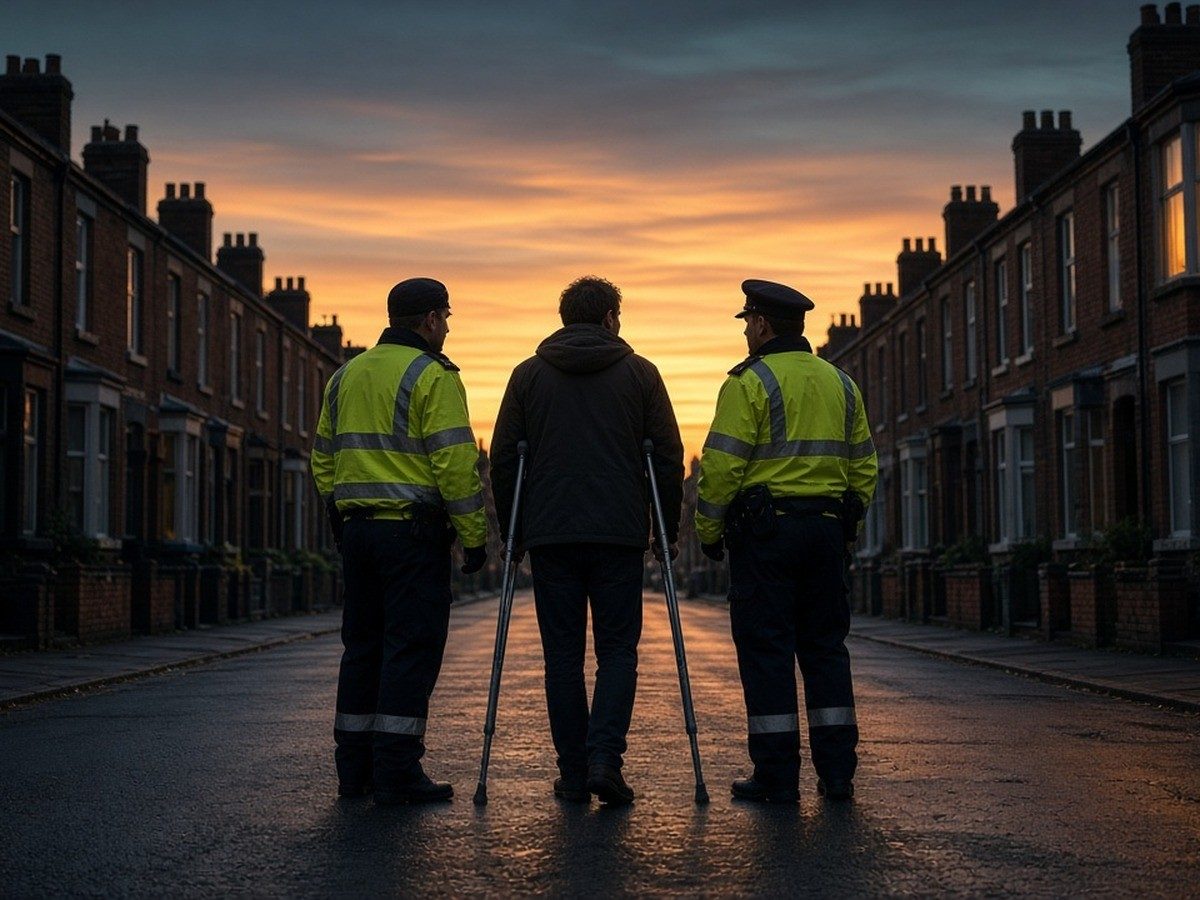
The funny man didn’t leave with the drink. I am sober now, and I am still funny.
Not long ago I was on my crutches, walking to physiotherapy. Where I live, crime is high, so there are often police vans with face recognition cameras and a lot of officers on foot. On the way I fell into step beside one patrol and kept walking with them for a while. In the end one of the officers noticed I seemed to be walking with them and asked, “How can I help?” I said, “I always wanted to be part of a police patrol.” We laughed, wished each other a good day, and they went their way and I went mine.
No drink, no crowd to win over, nothing to cover. Just a man on crutches and a joke that hurt nobody. Some of the old laughter was real, and some of it was a door I kept closed on loneliness. Sober, I can finally tell which was which.
Can you be funny on purpose, or are you only funny when you’ve lost control?