
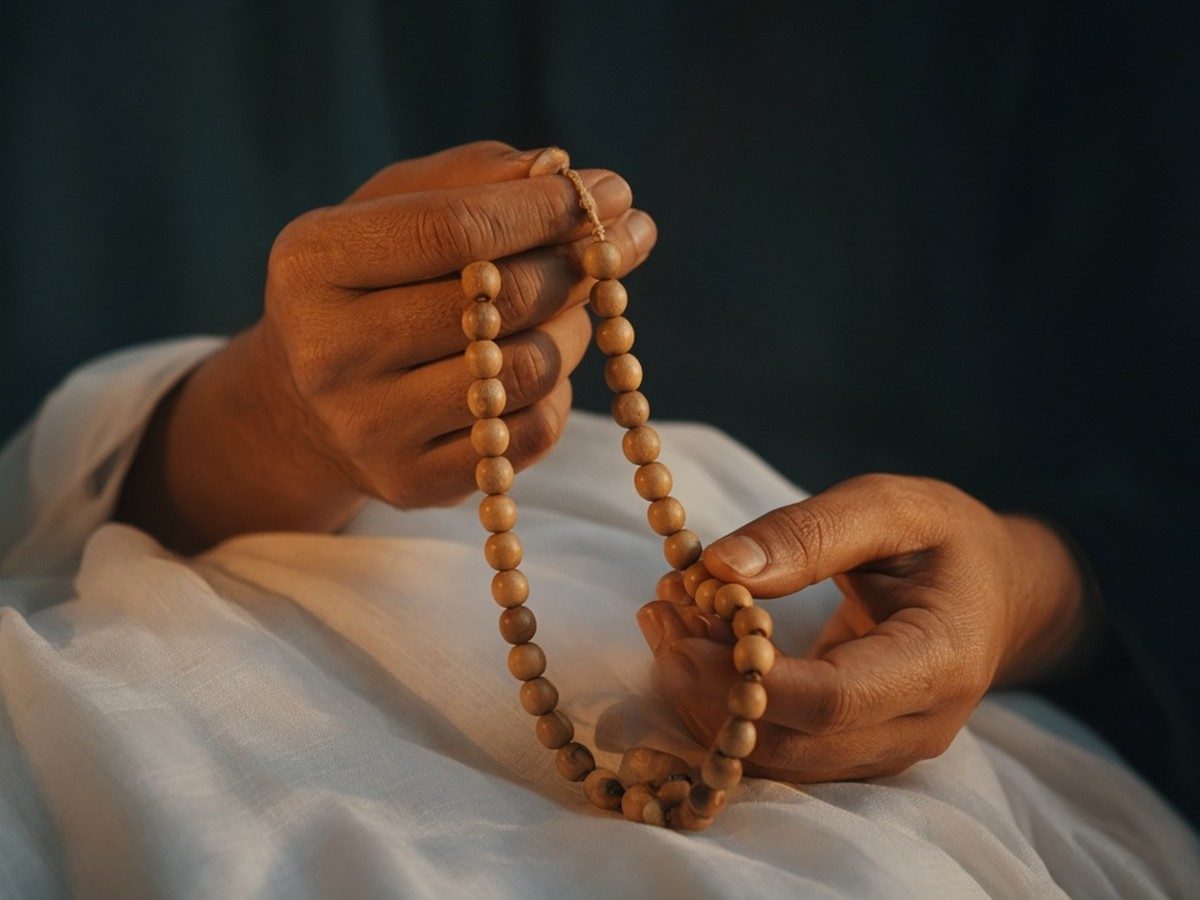
Most mornings in Bradford start the same way for me now. I sit down, I chant Daimoku, and for a while the only thing I am doing is that. No noise to hide in. Just my voice, the room, and whatever I happen to be feeling that day.
For most of my life I could not have done that. Sitting still with my own feelings was the one thing I avoided above everything else.
I was born on 10 November 1977. As a teenager I found out that alcohol made the hard feelings go quiet, so I used it that way. It did not make me a good student. I was expelled from every vocational school I tried. I don’t write that to shock anyone. It is simply where the story starts.
As a young adult it was alcohol and casual sex. Both worked the same way for me: for a few hours I did not have to feel anything properly. The drinking cost me my marriage, and it cost me my place as a parent. I will not add more detail than that. Some losses are better named plainly than described.
After I moved to the UK, drugs and overeating joined the list. Looking back, I did not choose them in any careful way. I numbed myself with whatever the people around me showed me. If someone offered a way not to feel, I took it.
In my early forties I was introduced to Buddhism. I practise with Soka Gakkai International (SGI), and chanting Daimoku became part of my day. That practice is what got me out of drugs, out of alcohol, and out of homelessness. I want to be careful here. That is my experience, told as honestly as I can. It is not a promise to anyone else, and it is not a method.
There is a teaching in the Nichiren tradition that SGI follows, called “changing poison into medicine.” It does not mean the bad years were secretly good. It means that the same life which went through them can be turned towards something useful. The years I spent running from my feelings are still mine. The difference is what I do with them now.
What surprised me most was how ordinary the change felt. There was no single dramatic morning. There was chanting, and then more chanting, and slowly the urge to disappear got smaller. I started to be able to sit in a room with a hard feeling and not leave.
Today a lot of my time goes to very simple things. I volunteer in Bradford soup kitchens and food banks. Standing behind a table, handing someone a plate, is not a grand gesture. But I know what it is like to be on the other side of a life that has gone quiet and cold, and it matters to me to be there.
Out of all this grew an idea that I keep coming back to. Mindful Bee is a place we are building somewhere in the UK, maybe Bradford, soon: a community centre with a Zen café at its heart, somewhere you will be able to sit, eat, stay quiet, or leave whenever you like. It is not open yet, and I am not offering anyone a programme. I am just thinking about the man I was about ten years ago, and the kind of table he would have been able to sit at.
I still reach for things. The difference is that now, most mornings, I reach for my practice first.
What do you reach for when a feeling gets too loud, and what would it take to sit with it for one more minute?
Read next: I Didn’t Jump Out of a Plane. I Kept Bees. · A Slower Mind at the Sink